John Cassano
NSIDC Lead Scientist, Teaching Faculty
- Ph.D., Atmospheric Science, University of Wyoming
- M.S., Atmospheric and Oceanic Science, Univer
- B.S., Earth Science, Montana State University
Research Interests
John Cassano is the lead scientist at NSIDC, a fellow of the Cooperative Institute for Research in Environmental Sciences (CIRES), and a professor in the Department of Atmospheric and Oceanic Sciences at the University of Colorado. His research group studies how the polar atmosphere interacts with the other components of the polar climate system—sea ice, ocean, ice sheets and land. The Cassano research group develops and uses weather and climate models to study how atmospheric processes shape polar climate. They conduct field campaigns to observe the polar atmosphere, using autonomous observing systems such as unmanned aircraft (drones), to make measurements under difficult environmental conditions. They also use model and satellite datasets for their research. Cassano has a passion for sharing science, stories and photographs from the polar regions with diverse audiences including K-12 students, college and university students, and the broader public.
Current Research
Observing the Atmospheric Boundary Layer over the West Antarctic Ice Sheet: The West Antarctic Ice Sheet is experiencing the greatest rate of warming on the Antarctic Ice Sheet. This project will deploy a 30 m automatic weather stations (AWS) tall tower and unmanned aircraft (drones) to study energy exchange between the atmosphere and Antarctic ice sheet. The project is also analyzing observations from across the Antarctic continent to analyze variability and forcing for stability in the atmospheric boundary layer. Source of support: NSF
HiLAT-RASM: High-Latitude Application and Testing of Earth System Models (HiLAT): The Cassano research group is working with partners at the Naval Postgraduate School, University of Washington and Department of Energy Pacific Northwest National Lab (PNNL) and Los Alamos National Lab (LANL) to develop and apply the next generation of polar climate models. The Cassano research group is leading the development of the atmospheric component of the Regional Arctic System Model (RASM). RASM is being used to make seasonal forecasts and decadal projections of Arctic sea ice. The Cassano group uses observational data from Arctic field campaigns, such as MOSAiC, to evaluate and improve the representation of polar atmospheric processes in RASM.The role of atmospheric rivers, cyclones and other synoptic scale weather features on heat and moisture transport into the Arctic and the impact of these features on the surface energy budget, sea ice and ocean state are being analyzed. Source of support: Department of Energy
Analysis to Evaluate and Improve Model Performance in the Central Arctic: Unique Perspectives from Autonomous Platforms During MOSAiC: The Multi-disciplinary Drifting Observatory for the Study of Arctic Change (MOSAiC) was a year-long (October 2019 to September 2020) international research expedition to study the Arctic climate system. The Cassano research group’s role in MOSAiC was to deploy unmanned aircraft (drones) to take measurements of the atmospheric boundary layer to study heat, moisture, and momentum exchange with the sea ice and ocean, and how the atmospheric boundary layer varies as clouds, radiative fluxes, and large-scale weather changes. The group also took measurements of radiative fluxes to assess how the albedo and radiation budget varies over different sea ice surfaces during the Arctic summer. Source of support: NSF
NASA Center for Advanced Measurements in Extreme Environments (CAMEE): The NASA MIRO Center for Advanced Measurements in Extreme Environments (CAMEE) is based at the University of Texas - San Antonio. Its vision is to build a sustainable source of diverse, highly trained researchers to enter the nation’s workforce in NASA fields of Earth system sciences, remote sensing technologies, computational fluid dynamics, and experimental fluid mechanics. CAMEE’s mission is to recruit, educate, and mentor a diverse group of undergraduate and graduate interdisciplinary students to become leaders in Earth system sciences, remote sensing technologies, computational fluid dynamics, and experimental fluid mechanics. The Cassano research group works with CAMEE partners that are studying the polar regions with the goal of improving our understanding of extreme atmospheric and oceanic processes with data-driven models using improved measurement techniques. Source of support: NASA
Research Categories
Atmosphere, Climate and Weather, CryosphereResearch Images
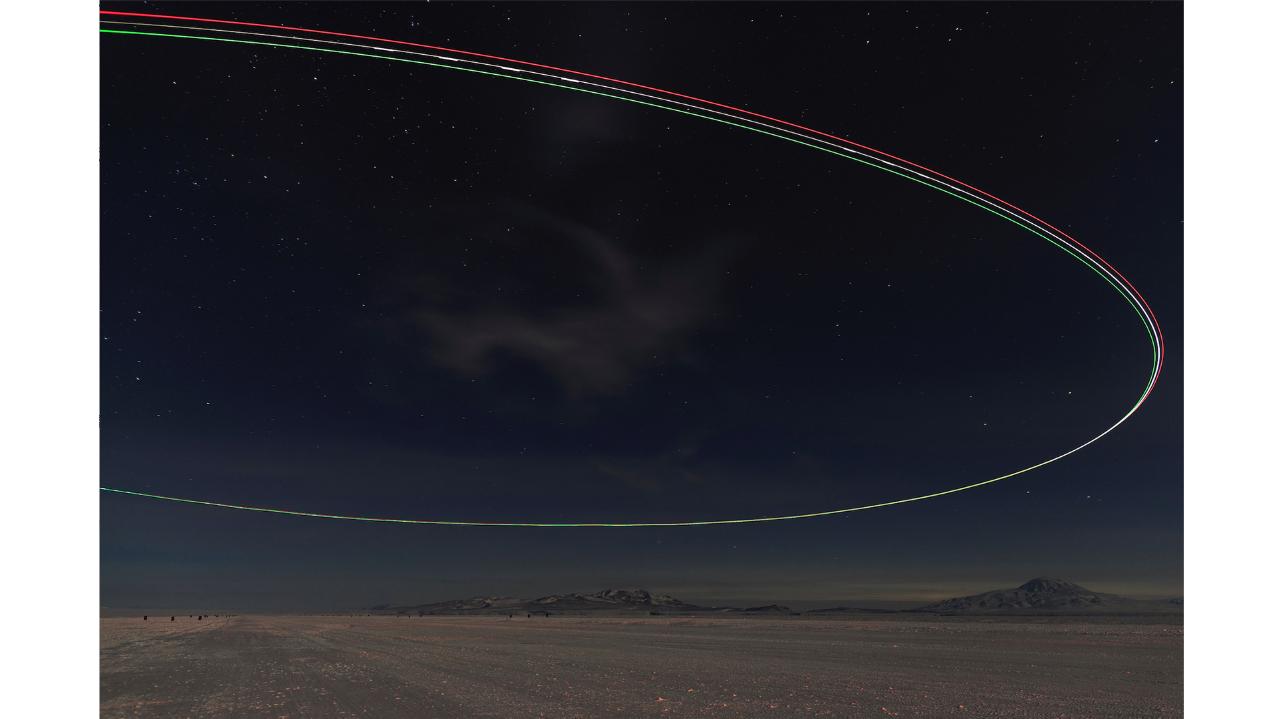
SUMO Circling
Honors and Awards
to
Invalid date -Sponsors
-
Invalid dateP.I.(s)
About CECA
CECA connects and creates a supportive environment for graduate students and postdocs who come from various academic units to do research in CIRES.