Matthew Shupe
Senior Research Scientist for NOAA Earth System Research Laboratories
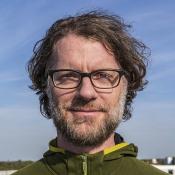
- Ph. D., Atmospheric and Oceanic Sciences, University of Colorado, 2007
- B.S., Chemistry and Mathematics, Univesity of Puget Sound, 1997
Research Interests
Dr. Matthew Shupe is a senior research scientist and Fellow of the Cooperative Institute for Research in Environmental Sciences at the University of Colorado, the National Snow and Ice Data Center, and NOAA Physical Sciences Laboratory. His research focuses on Arctic cloud and atmospheric processes, their interactions with the surface, and climate impacts on Arctic cryosphere. Field work using ground-based and aircraft-based instrumentatoin has been a major element of this research, including work at numerous Arctic field stations, atop the Greenland Ice Sheet, in mountain environments, and aboard icebreakers in the Arctic sea ice. He was co-coordinator of the Multidisciplinary drifting Observatory for the Study of Arctic Climate (MOSAiC) expedition, a yearlong international observational and modeling initiative in the central Arctic ice pack that targetted the coupled processes linking the changing Arctic atmosphere, sea ice, ocean, and ecosystem. Matthew is a member of the PSL Cryosphere Processes research team, a Mercator Fellow associated with a large German transregional program focused on Arctic Amplification, and is currently serving as the King's Chair in Environmental Sciences as a guest professor at Stockholm University. He will be recognized as a Fellow of the American Meteorological Society in 2027 and received the Intenrational Arctic Science Committee's Award for Service in 2024. For more information check out "Five Questions for Matthew Shupe" at https://connections.cu.edu/spotlights/five-questions-matthew-shupe.
Research Categories
Atmosphere, Climate and Weather, CryosphereResearch Images
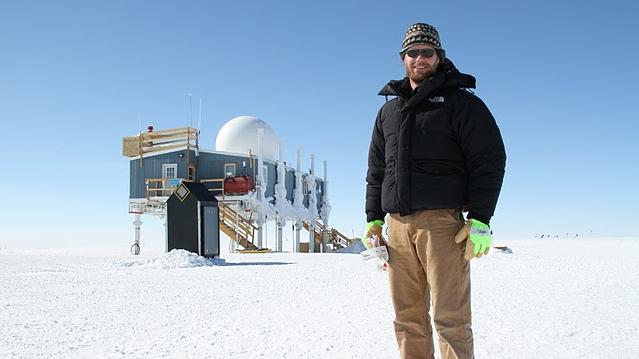
Summit Station
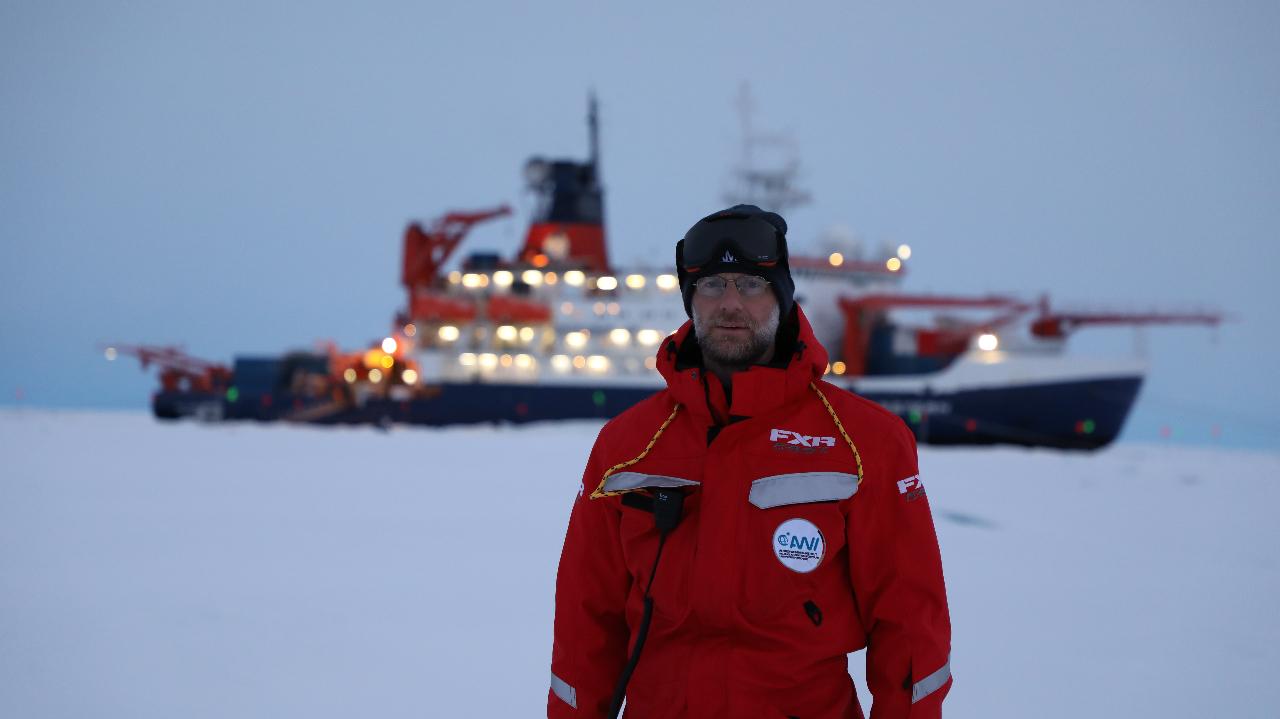
Shupe at MOSAiC
Honors and Awards
to
Invalid date -Sponsors
-
Invalid dateP.I.(s)
About CECA
CECA connects and creates a supportive environment for graduate students and postdocs who come from various academic units to do research in CIRES.